Tasmanian Blackwood Timber Furniture
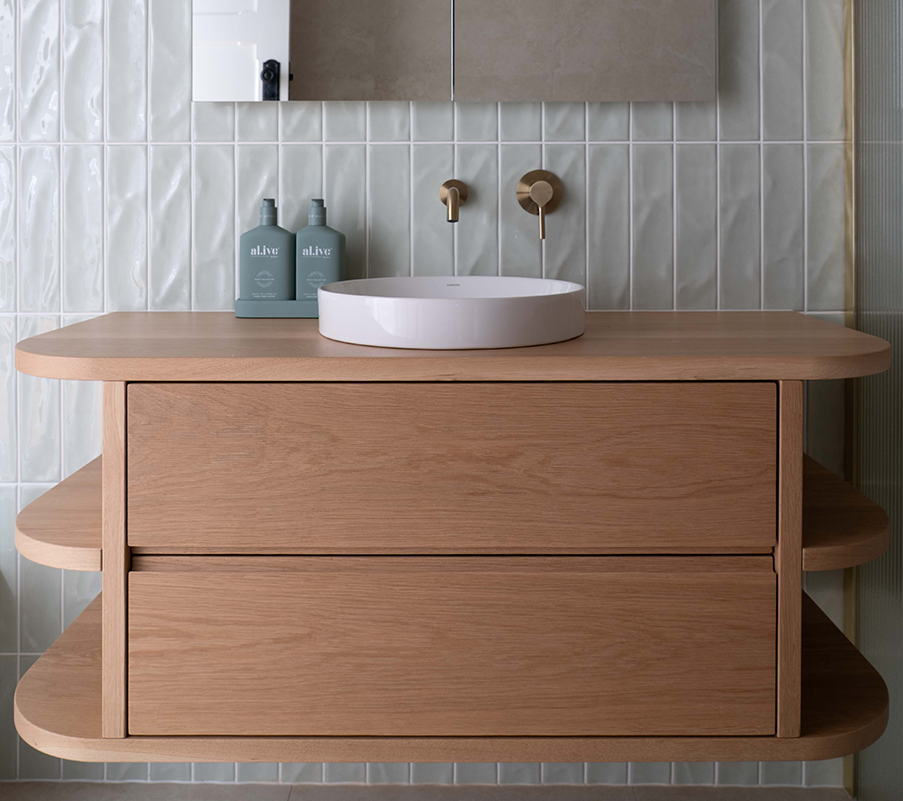
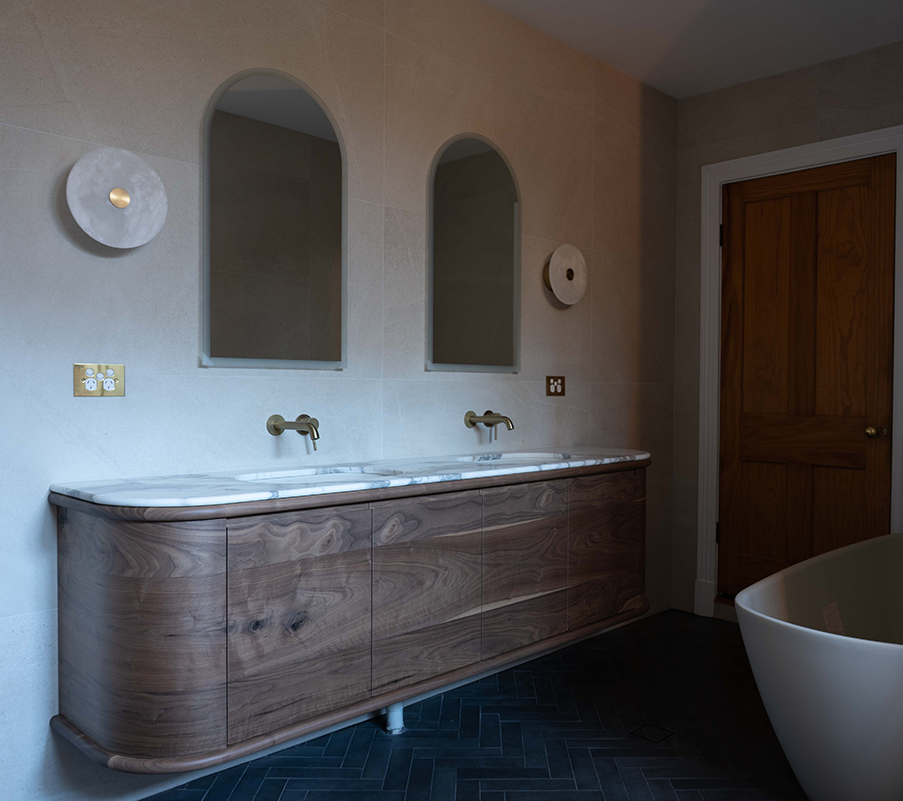
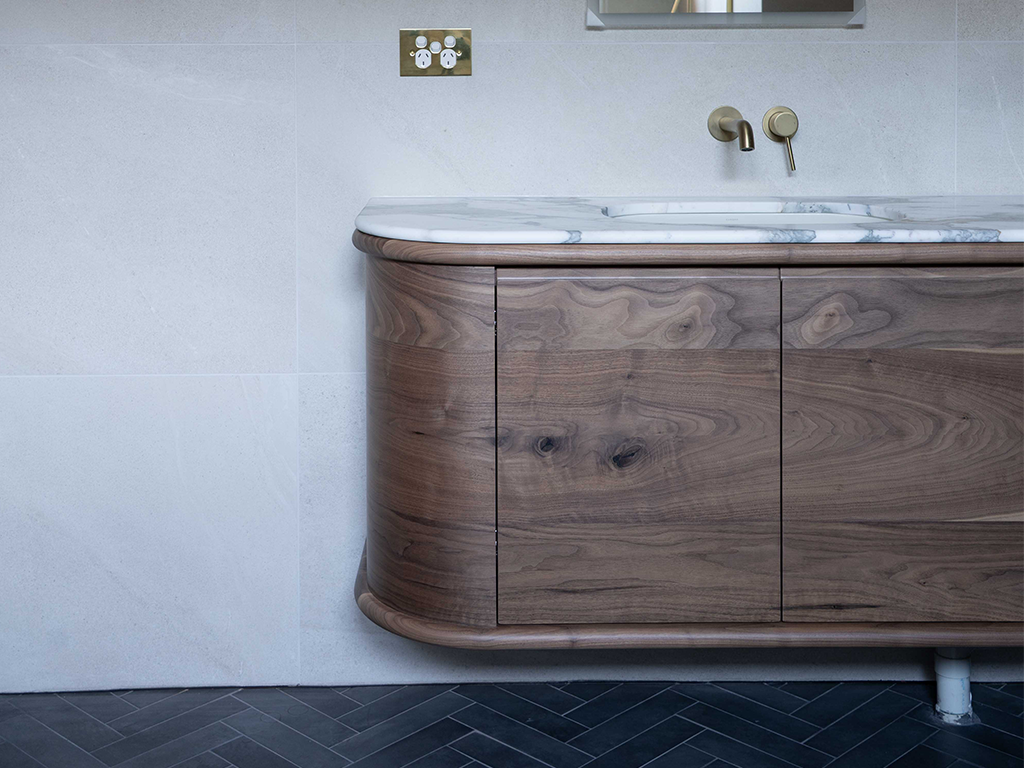
Tasmanian Blackwood timber furniture is the species we specify most often for bathroom vanities. It’s rich golden brown with a straight, fine grain that gives a beautiful finish. It’s durable without being excessively hard, and works well across contemporary and traditional styles. It looks exceptional in photos.
Tasmanian Blackwood Timber Origin And Characteristics
Blackwood (Acacia melanoxylon) is native to Tasmania and parts of mainland eastern Australia. It’s now grown commercially in Tasmanian plantations, which makes it more sustainable and readily available than many imported hardwoods.
Janka hardness sits around 1040–1080, which puts it in the medium hardwood range. It is harder than pine or Tasmanian Oak, but softer than American Oak or Spotted Gum. That’s actually an advantage for cabinetry and furniture, as it cuts cleanly and holds fine details well.
The colour ranges from pale golden brown to a deeper, richer brown depending on the individual tree and how it’s been dried. Most boards fall somewhere in the warm honey-to-tan range. The grain is typically straight and fine, though you do occasionally get a fiddleback or ripple figure, which adds a subtle shimmer to the surface.
Performance Across Different Applications
Timber Vanities and Bathroom Cabinetry: Blackwood is our most frequently used timber for bathroom vanities. It’s dense enough to resist moisture when sealed, and the fine grain means the polyurethane finish penetrates evenly without needing grain filler. The colour suits most bathroom palettes. It’s warm without being overpowering, and it pairs well with white tiles, stone, brass fixtures, and matte black tapware.
Timber Kitchen Benchtops: Blackwood works well as benchtops in kitchens where the aesthetic leans warm and natural. It’s not as hard as American Oak, so if you’re running a commercial kitchen or a household with very heavy use, Oak or Spotted Gum might be better options. For most residential kitchens, Blackwood performs reliably and looks far better than engineered stone.
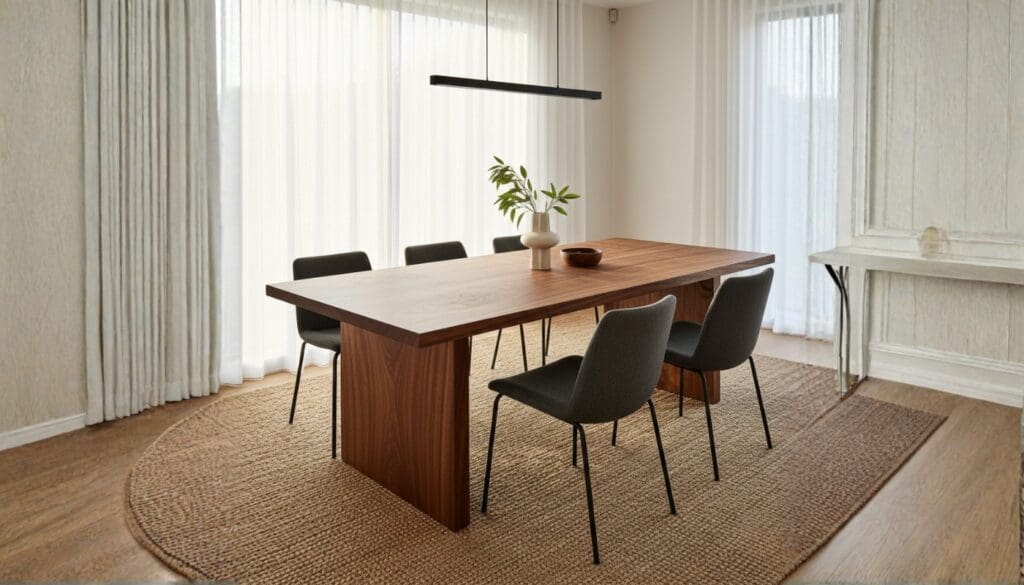
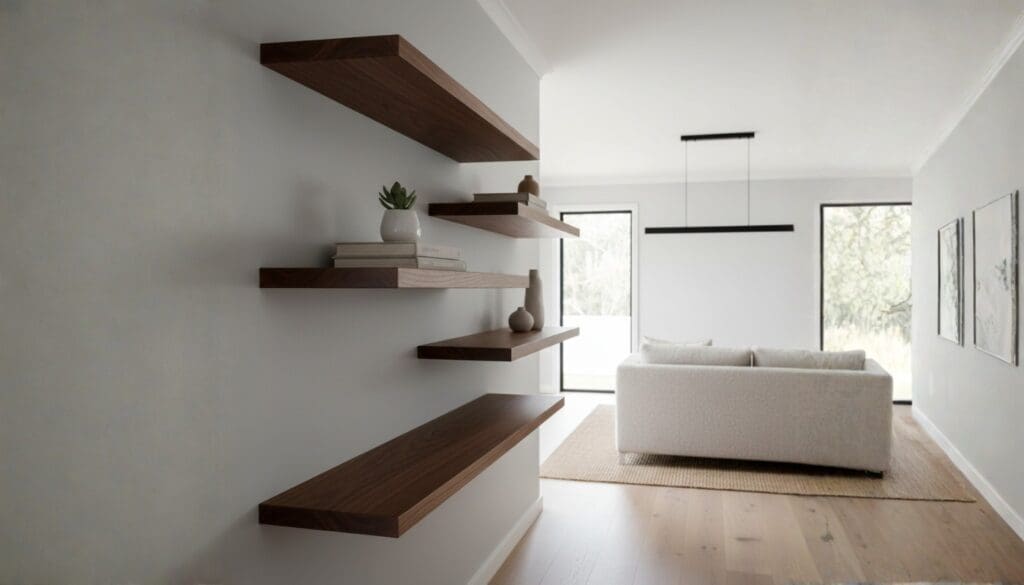
Timber Furniture and Shelves: For timber dining tables, sideboards, entertainment units, and timber floating shelves, Blackwood is an excellent choice. It’s stable, machines cleanly, and the colour depth gives pieces presence without needing stain. We typically finish with a matte or satin polyurethane, which protects the timber while keeping the natural warmth visible.
How Blackwood Ages
Blackwood darkens slightly with age and UV exposure, developing a richer, deeper brown over time. The change is gradual, not dramatic and most people find the aged colour more appealing than the freshly milled timber.
The fine grain means surface wear is less visible than it would be on a more open-grained species. Minor scratches blend into the surface rather than standing out starkly. If the finish does show wear after years of use, Blackwood can be lightly sanded and resealed without difficulty.
Blackwood Furniture Finish Options
Matte polyurethane is our standard finish for Blackwood vanities and furniture. It protects the timber, doesn’t add gloss, and allows the natural colour to show through clearly. Matte suits both contemporary and more traditional interiors.
Satin polyurethane adds a subtle sheen, which can lift the colour slightly and give the timber more depth. Good for dining tables and sideboards where you want a touch of refinement without going full gloss.
Oil finishes work beautifully on Blackwood for furniture in dry areas. An oil finish brings out the warmth of the timber and feels good to the touch, but it requires periodic reapplication. We don’t recommend oil for bathroom vanities or kitchen benchtops due to the maintenance requirements.
Tasmanian Blackwood VS American Walnut
Clients often ask about the difference between Blackwood and American Walnut as they both sit in a similar tonal range (mid-to-dark brown hardwoods with fine grain).
Colour: Walnut is darker and more consistent in tone, with deep chocolate-brown hues. Blackwood is lighter and warmer, with more golden tones.
Grain: Both have straight, fine grain, though Walnut’s grain is slightly tighter.
Hardness: Both are similar, medium-density hardwoods suitable for cabinetry and furniture.
Cost: Walnut furniture is significantly more expensive due to import costs. If you like the look of dark timber furniture but aren’t committed to Walnut’s premium price, Blackwood is a practical Australian alternative.
When Tasmanian Blackwood Is The Right Choice
Choose Blackwood timber if:
- You want a warm, mid-toned timber that isn’t too light or too dark.
- Your bathroom or kitchen aesthetic leans contemporary or transitional.
- You’re looking for an Australian-grown hardwood with reliable availability.
- You want timber that photographs well (relevant if you’re documenting a renovation)
Consider alternatives if:
- You want a very light, blonde timber (American Oak or Tasmanian Oak).
- You prefer dramatic grain and character over uniformity (Wormy Chestnut).
- You specifically want the darkest timber available (American Walnut)
Not Sure Which Timber Species Suits Your Space?
At STADC Surfaces, we specialise in custom solid timber furniture for Adelaide homes. We work through timber selection based on your project requirements, not just aesthetics. Hardness, grain, colour, and finish all affect how a piece performs in daily use, and we’ll walk you through what matters for your specific application.
Contact us to discuss your custom timber furniture requirement or visit our Adelaide Hills factory to experience our craftsmanship firsthand.